Smarter planning, better building through Virtual Design & Construction.
Through advanced modeling and coordination, our VDC capabilities help identify issues early, streamline construction, and keep projects on schedule and on budget.
Insight Before Installation
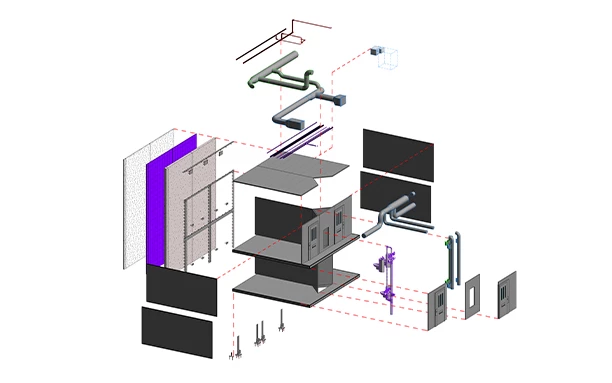
Our VDC process begins long before construction starts, bringing clarity to complex conditions and uncovering challenges when they’re still easy to solve. By combining laser scanning, reality capture, and detailed modeling, we create highly accurate representations of existing conditions and new design intent.

On projects like the Snohomish County 911 Emergency Communications Center, our team scanned the structure in real time during demolition, allowing us to coordinate new systems within tight constraints and validate design assumptions against actual field conditions. This early insight revealed conflicts that weren’t visible in legacy drawings, enabling smarter decisions and avoiding costly rework.
Coordination That Drives Confidence
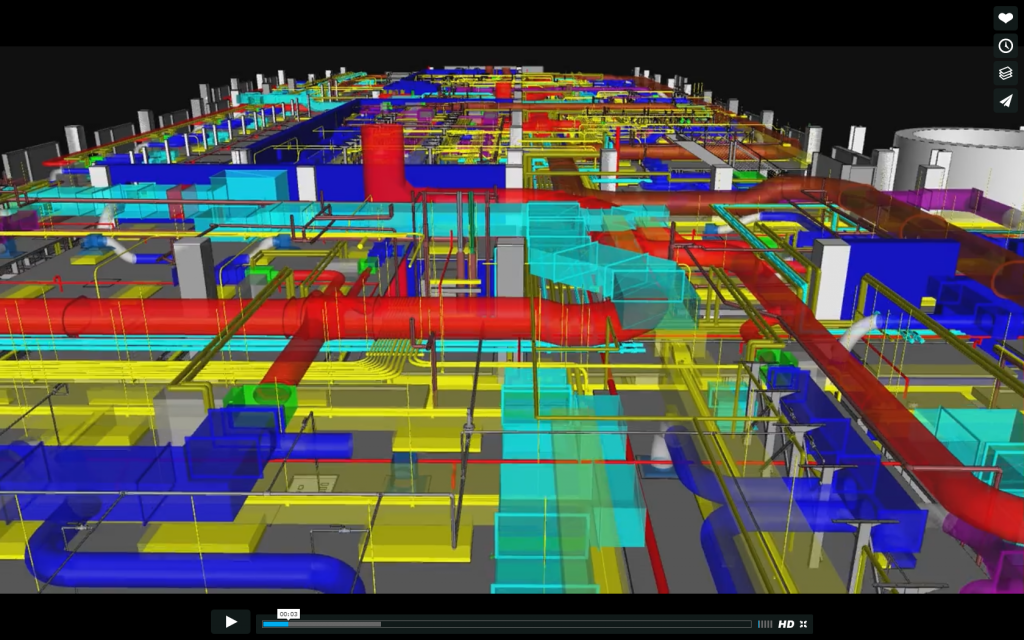
We bring teams together in a fully integrated 3D environment where every component is modeled, coordinated, and validated before it reaches the field. Through Building Information Modeling (BIM) and proactive clash detection, we identify and resolve conflicts early, saving time, reducing risk, and improving quality.

On complex projects like the Northern Quest Resort Casino expansion, our VDC team translated critical structural and post-tension elements into coordinated 3D models to ensure seamless integration with MEP systems. Regular coordination sessions allowed stakeholders to visualize issues, align on solutions, and move forward with confidence.

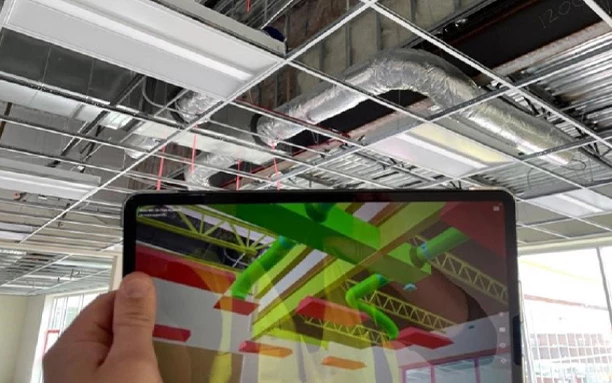
By extending these models into the field with robotic layout technology (as demonstrated at Rainier Beach High School) we ensure that what’s planned virtually is executed with precision on site.
Visualization That Connects
VDC is more than coordination; it’s a powerful communication tool that brings projects to life for owners, partners, and the public. Using advanced visualization platforms, we transform models into immersive experiences that clearly convey design intent, sequencing, and progress.

For the Avista Stadium Improvements project, our team developed a 4D virtual construction sequence using real-time rendering technology, allowing stakeholders and the community to see how the project would take shape over time. These visualizations not only improved understanding among project teams, but also created a compelling way to build excitement and engagement beyond the jobsite.